

When it comes to addressing environmental issues, boiler regulations serve as a fundamental construction for ensuring sustainable procedures within industries. By implementing strict standards, these rules try to mitigate the negative impact of boiler procedures on the surroundings. From emission control strategies to energy efficiency measures, the guidelines are made to promote eco-friendly methods and decrease the carbon footprint associated with boiler utilization. The intricate internet of regulations not merely fosters environmental stewardship but also underscores the importance of proactive methods in safeguarding our planet's well-being.
Essential insights
- Implementation of emission control steps like pollution control devices and optimized combustion procedures.
- Adherence to energy performance requirements through advanced technologies and renewable energy integration.
- Usage of compliance monitoring tools for real-time performance tracking and optimization.
- Lasting boiler operation practices including the use of green fuels and energy recovery systems.
- Regular maintenance assessments for efficiency enhancement and environmental impact minimization.
Importance of Boiler Regulations
As to why are boiler regulations so vital in today's industrial landscaping? Boiler basic safety is a substantial facet of industrial functions to avoid accidents, guarantee employee protection, and protect the environment.
Regulatory updates play an important role in keeping up with improvements in technology, safety specifications, and environmental safety measures. By adhering to boiler regulations, sectors can mitigate risks connected with boiler procedure, such as for example explosions, leaks, and emissions.
Boiler safety regulations encompass an array of requirements, from regular inspections and maintenance to the correct installation and operation of boilers. These rules aim to minimize the likelihood of accidents that can result in accidental injuries, fatalities, or environmental harm.
Emission Control Measures
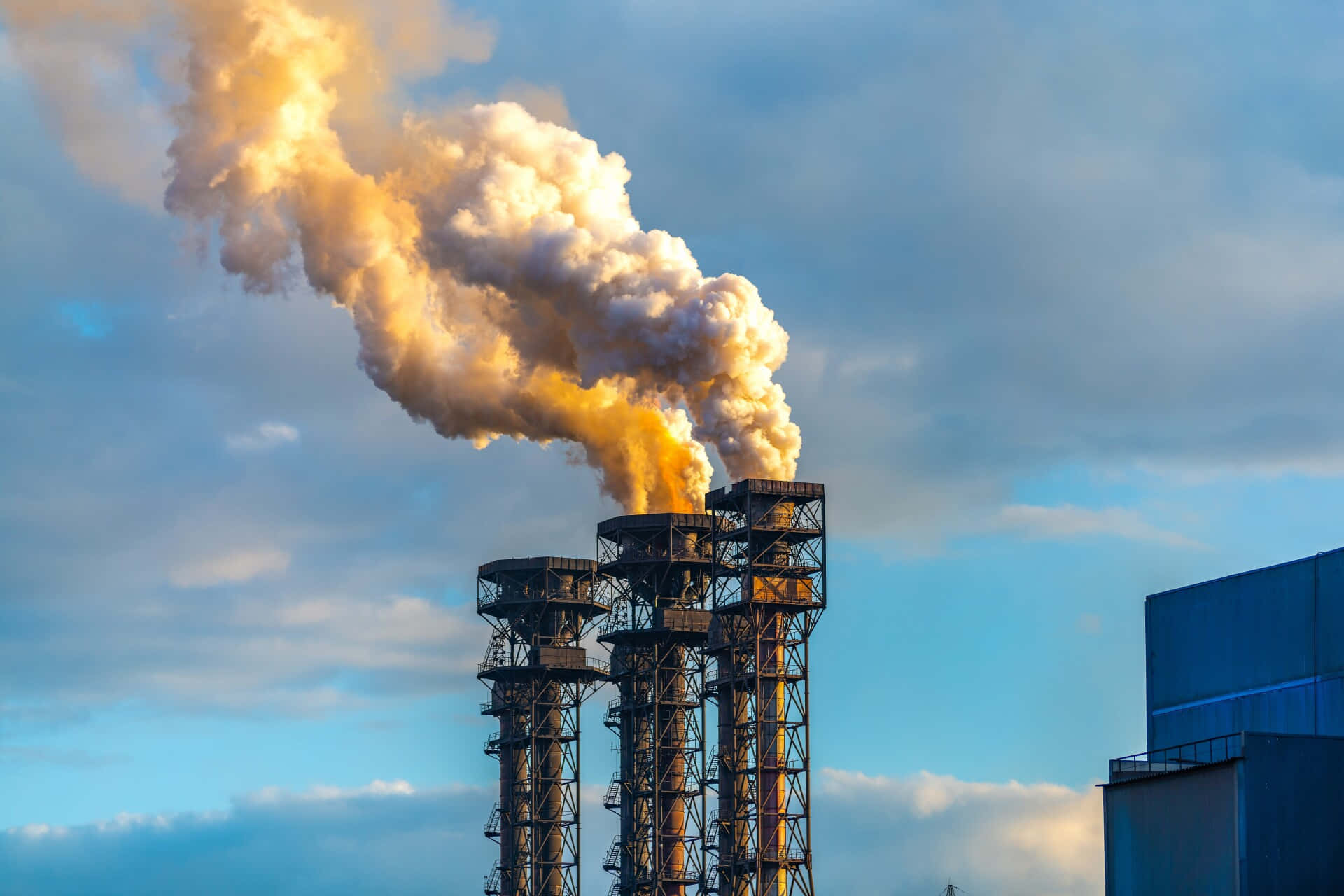
To effectively manage emissions from boiler operations, industries must put into action powerful emission control methods. Emission reduction is essential for environmental protection and compliance with regulatory frameworks.
One important measure is the installation of pollution control devices like electrostatic precipitators and scrubbers to capture particulate matter and harmful gases before they're released into the atmosphere. Additionally, optimizing combustion processes through regular maintenance and tuning can help reduce emissions of pollutants such as for example nitrogen oxides and sulfur dioxide.
Applying proper monitoring systems to track emissions in real-time permits immediate corrective actions to be taken when levels surpass regulatory restricts.
Furthermore, incorporating advanced technology like selective catalytic decrease and low-NOx burners might help achieve even greater emission reductions.
It's vital for sectors to remain updated on the most recent emission control techniques and continuously improve their processes to reduce environmental impact. By proactively dealing with emissions through these control actions, industries can donate to a cleaner and healthier environment while meeting stringent regulatory requirements.
Energy Efficiency Specifications
Shifting concentrate towards energy efficiency standards in boiler operations plays a pivotal role in not only reducing environmental impact but also in enhancing operational costs.

With advancements in boiler technology and a growing knowing of the importance of sustainable energy sources, adhering to energy efficiency requirements is more critical than ever. By confirming that boilers operate at top efficiency levels, businesses can substantially lower their carbon footprint while concurrently reducing energy expenditures.
Modern boiler technology gives innovative solutions such as condensing boilers, which maximize energy use by capturing and reusing warmth that would in any other case be lost.
Additionally, integrating renewable energy sources like biomass, solar, or geothermal energy into boiler systems can further enhance energy efficiency and reduce reliance on traditional fossil fuels.
To achieve the best degrees of energy performance, it's essential for businesses never to only invest in advanced boiler systems but also to prioritize regular maintenance and monitoring to ensure top performance.
Compliance Monitoring Tools
When it comes to guaranteeing compliance with energy efficiency criteria in boiler functions, the usage of advanced compliance monitoring tools is indispensable.
Compliance software and data analytics play a vital role in monitoring and optimizing boiler overall performance to meet environmental regulations effectively. These equipment provide real-time insights into energy usage patterns, emissions amounts, and overall operational effectiveness.
Compliance software offers features like automated data collection, efficiency trend evaluation, and regulatory reporting functionalities. By integrating data analytics, companies can recognize areas for improvement, track key performance indications, and proactively address compliance problems.
This proactive approach not only guarantees adherence to environmental standards but also helps in making the most of energy efficiency and reducing operational costs. https://hythegasengineers.co.uk
Making use of compliance monitoring tools not only streamlines regulatory compliance but also helps continuous optimization of boiler operations.
Lasting Boiler Procedure
Amid the growing landscape of boiler operations, ensuring sustainable operation practices is paramount for minimizing environmental impact and increasing efficiency.
When targeting sustainable boiler operation, consider the following key strategies:
- Utilize Renewable Fuels: Shifting to renewable fuels like biomass, biogas, or biodiesel can greatly reduce greenhouse gas emissions and reliance on fossil fuels.
- Implement Regular Boiler Maintenance: Performing routine maintenance investigations, such as cleaning warmth exchangers and inspecting insulation, may improve boiler efficiency and prolong its life expectancy.
- Optimize Combustion Processes: Fine-tuning combustion functions through proper air-fuel ratio adjustments and combustion control systems can enhance energy efficiency and reduce emissions.

- Invest in Energy Recovery Systems: Integrating energy recovery systems like warmth exchangers or economizers can capture waste heat for reuse, improving overall boiler performance.
Often Asked Queries
Can Boilers Be Powered by Renewable Energy Sources?
Yes, boilers can indeed be powered by renewable energy resources.
Biomass boilers utilize organic components like real wood pellets or agricultural waste to generate temperature.
Solar thermal systems harness sunlight to heat water directly or through a heat transfer liquid.
Both options offer sustainable alternatives to traditional fossil fuels, reducing carbon emissions and environmental impact.
Embracing these technologies aligns with the global change towards cleaner energy solutions for the greener future.
Are There Tax Bonuses for Upgrading to Eco-Friendly Boilers?
Yes, there are tax credits available for upgrading to eco-friendly boilers.
By improving energy efficiency, you can qualify for tax incentives that help offset the initial investment.
These credits encourage the adoption of green technologies like high-efficiency boilers.
It's a win-win scenario - you lessen your carbon footprint even though also profiting from financial bonuses.
Make certain to explore these opportunities to create your upgrade a lot more cost-effective.
How Often Should Boilers Be Inspected for Compliance?
You should timetable regular boiler maintenance to ensure compliance with regulations.
Inspection frequency varies predicated on factors like boiler type and use. Typically, industrial boilers need even more frequent checks than residential types.
A general suggestion is to have professional inspections annually, concentrating on safety, efficiency, and environmental impact.
Proper boiler maintenance not only guarantees compliance but also prolongs the life-span of the gear and reduces environmental dangers.
What Will be the Disposal Options for Old, Inefficient Boilers?
When it involves disposing of aged, inefficient boilers, you have a few choices to contemplate.
One environmentally friendly choice is certainly boiler recycling, where materials are salvaged and reused.
Another choice is energy recovery, where the temperature generated with the boiler is harnessed and utilized for additional processes.
Are There Authorities Grants Designed for Sustainable Boiler Projects?
Yes, government grants can indeed help with sustainable boiler tasks.
Give eligibility requirements often revolve around particular requirements place by funding agencies. By meeting these criteria, you can access funding opportunities to support assembling your project.
Understanding the software process and making sure compliance with offer guidelines are essential guidelines towards securing financial assistance for your sustainable boiler initiatives.
Explore these strategies to maximize your chances of receiving financing for environmental impact reduction.
Brief summary
In summary, sticking with boiler regulations is essential for minimizing environmental influence and promoting sustainability in procedures. By enforcing emission control steps, energy efficiency standards, and compliance monitoring tools, these regulations warranty the effective operation of boilers while reducing dangerous pollutants and conserving energy. It is imperative for agencies to prioritize compliance with these rules to protect both environment and worker basic safety, ultimately contributing to a greener long term.